Internet
Explorers

For UK primary schools & the parents alongside them

Help every child explore the internet bravely, kindly and wisely.

A complete PSHE‑aligned online‑safety scheme — 50–60 illustrated learning cards per level — for the classroom, the kitchen table, or both. Ages 5 to adulthood. Level 1 free forever to schools.

  • PSHE Association mapped
  • Dyslexia‑friendly typeface & layout
  • Used at school & at home
  • A Community Interest Company
PSHE Association mappedUK Council for Internet Safety alignedEducation Endorsement (in review)British Dyslexia Association principlesFree for all UK state primaries · Level 1A Community Interest CompanyPSHE Association mappedUK Council for Internet Safety alignedEducation Endorsement (in review)British Dyslexia Association principles

The programme

Fifty cards. One conversation a week.

Each level is fifty illustrated learning cards designed to spark a 15‑minute discussion. Use them in PSHE, in form time, in assembly — or at the kitchen table after tea. The cards do the heavy lifting; the grown‑up stays in the conversation.

50cards per level

One a week, with five spare for assemblies, themed weeks, or the topics you want to revisit. Each card is double‑sided: a discussion prompt for the class, teacher notes on the back.

Card 27 · Year 5
Spot the fake.

Which video is real?

Three short clips of the same person. One was made by a computer. What tiny clues can you find?

↻ Tap for teacher & parent notes
Teacher & parent notes
Aim

Children learn that not everything that looks real is real, and build a habit of looking twice.

Discussion prompts
  • What did you notice about the hands? The eyes? The voice?
  • Why might someone make a fake video of a real person?
  • What would you do before sharing it with a friend?
PSHE L11, H24 · 12‑15 min · KS2 / home

Built for teachers, not technologists

No login, no platform to learn, no Chromebooks required. Cards arrive printed, laminated and dated. Drop one on the desk and start.

Maps to your existing PSHE plan

Every card is referenced to PSHE Association objectives (H and L strands) and to UKCIS "Education for a Connected World." Hand it to your inspector.

One scheme, every year group

Six levels grow with the child — from "what's a password?" in Reception through to deepfakes, consent and digital identity at sixth form. Same look, same voice, same values.

Designed to be read aloud — by anyone

Set in Andika, a high‑legibility typeface developed for early readers and dyslexic readers. Short sentences. Generous leading. Plain English. Cards that a TA, a parent volunteer or a Year 6 mentor can pick up cold.

The journey

Six levels, ages 5 to adulthood.

A child who starts with us in Reception meets the same characters, the same questions, the same trusted voice — all the way to adulthood. Schools usually start with one level and add as they grow.

  1. L1
    Ages 5–7 · Reception–Year 2

    First steps

    Kindness, secrets, screens at home, asking a grown-up. Wordless cards for pre‑readers.

    Free forever
  2. L2
    Ages 7–9 · Years 3–4

    Curious

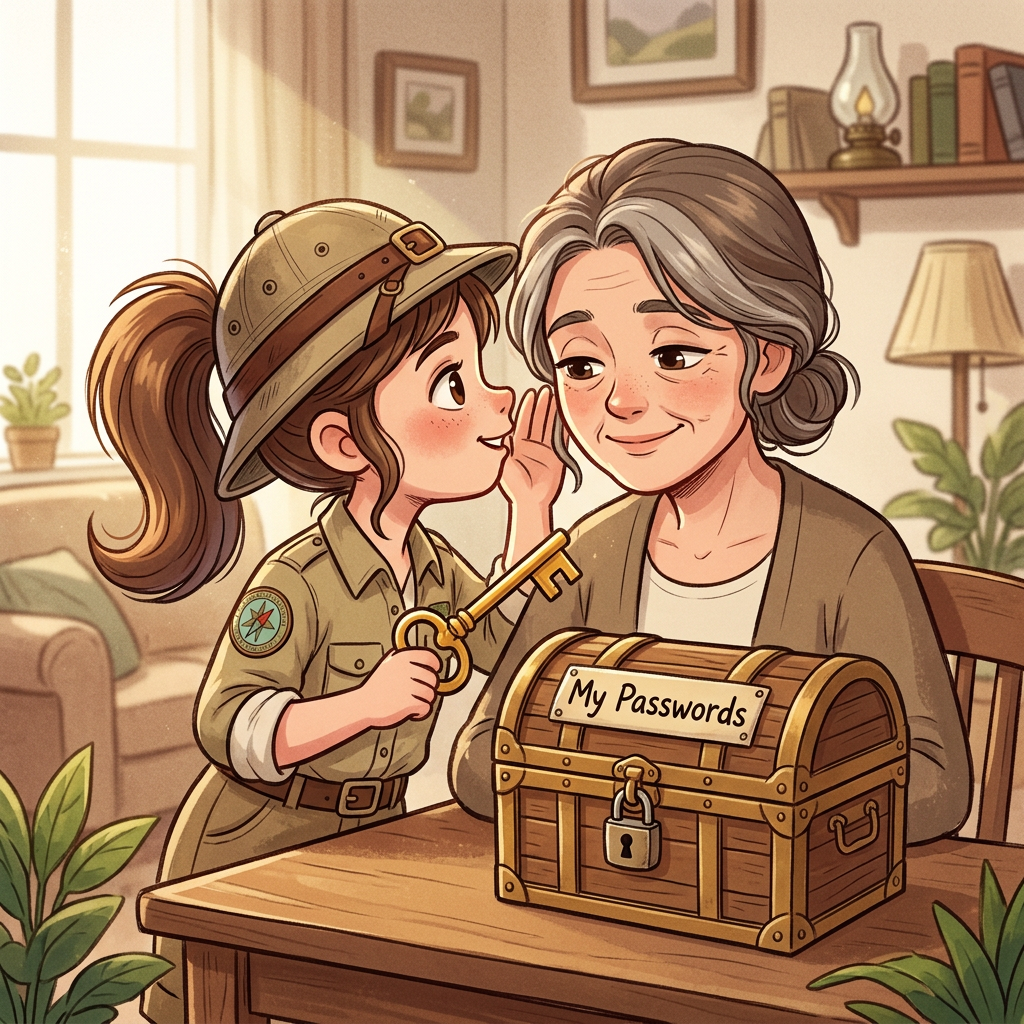
    Passwords, what gets shared, "is this real?", the difference between a friend and a follower.

    Licensed
  3. L3
    Ages 9–11 · Years 5–6

    Confident

    Group chats, image consent, age limits, deepfakes, what to do when something feels off.

    Licensed
  4. L4
    Ages 11–14 · KS3

    Connected

    Identity online, algorithms, sharing, sextortion, rumour, who profits from your attention.

    2026
  5. L5
    Ages 14–18 · KS4–5

    Critical

    Misinformation, AI, civic life, consent, money, the law. Built with sixth‑form input.

    2027
  6. L6
    Adults · parents & carers

    Alongside

    For the grown‑ups in a child's life. Sent home with the child or used at parent evenings.

    2027

Why Internet Explorers

Built for the people raising this generation — at school and at home.

If you don't have a scheme — or a strategy — this is one

Most primaries don't have a dedicated online-safety scheme. Most parents don't have a plan either, beyond "don't show me what you're watching." We give both of you the same fifty conversations, in the same trusted voice.

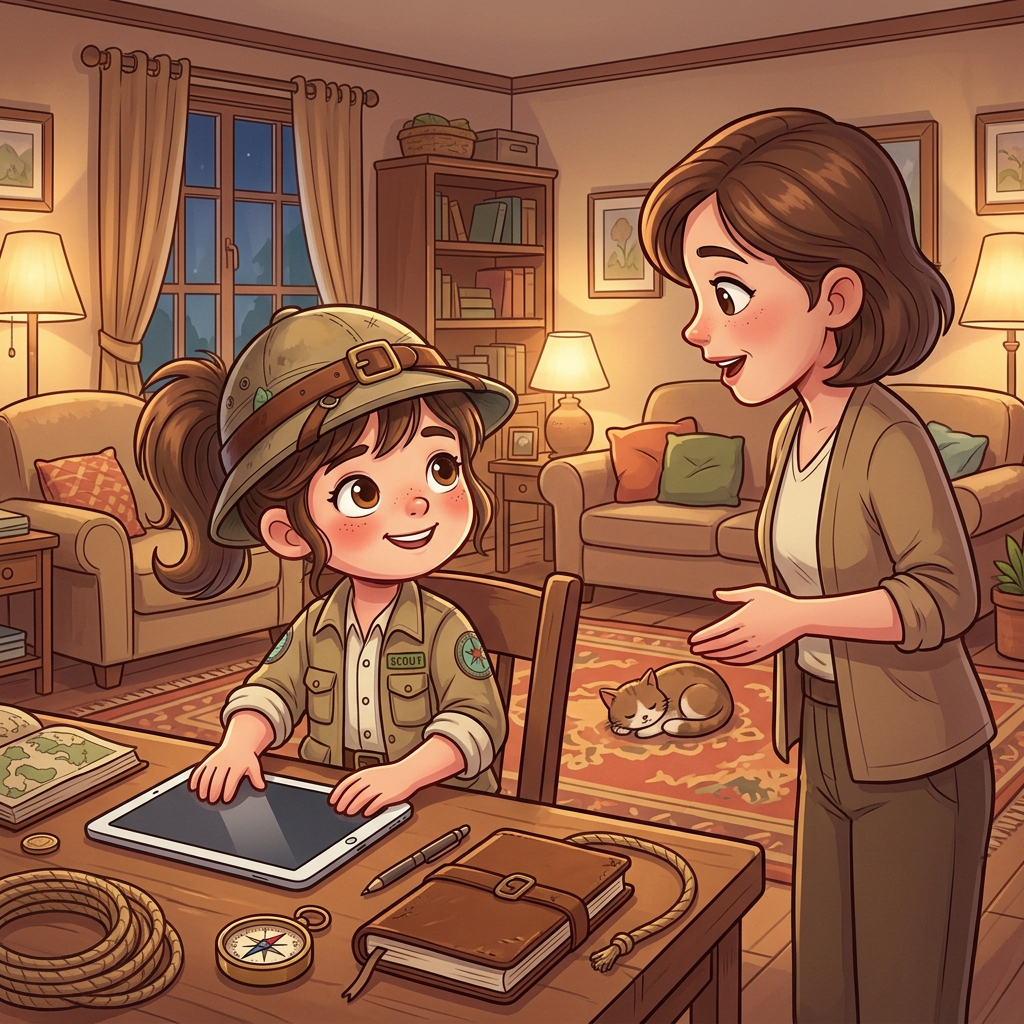
The same conversation, school and home

When the school does Card 18 on Monday, the parent leaflet goes home that evening with the same question, in plainer language. Children get one consistent message instead of two contradictory ones. For trusts: every school, same week, same card.

Aa Bb

SEND‑inclusive by default, not as an extension

Andika typeface, generous leading, plain English, off-white paper, never centred body text. We didn't add a SEND version. The whole thing is designed for the dyslexic readers in every classroom.

CIC · NOT FOR PROFIT

A Community Interest Company. Reach, not revenue.

We're a CIC. Level 1 is — and will always be — free to every UK state primary. Licensed levels fund the next ones. We measure success by how many children get this, not by margin.

How it fits in your week

Slots into the time you already have.

No new lesson to plan. No new bedtime routine to invent. Most schools run a card a week in PSHE or form time; most families do one a week at the kitchen table. Here's a typical year.

1

Your pack arrives in September

Cards posted to school or to your door. Plus a teacher handbook (or a family conversation guide) and a parent leaflet you can copy.

2

One card a week, 15 minutes

A PSHE starter, a circle‑time prompt, an assembly — or a chat in the car on the way home. Cards are dated to the academic year so school and home stay in step.

3

School and home, same page

Each card has a “fridge version” parents use that evening. Same question, gentler voice, no jargon. Children hear one consistent message.

4

Refresh in summer

We send replacement cards each July for any new threats, new platforms, or new statutory guidance. You stay current without lifting a finger.

Mapped to PSHE — line by line

Every card is referenced to PSHE Association objectives. Click a strand to see the cards that cover it.

  • H21Recognising what makes them feel comfortable / uncomfortable onlineCards 04, 12, 18, 33
  • H22Privacy of personal informationCards 03, 11, 27, 41
  • H24Recognising trustworthy sourcesCards 07, 22, 31, 38, 47
  • H37Asking for help when worriedCards 06, 15, 29, 50

For your school

Honest pricing. No per‑pupil surprises.

We charge schools, not children. The price is the same whether you have 80 pupils or 800. Level 1 is free to every UK state primary, forever.

For families

Home pack

£19/ child, one‑off

For a parent or carer using the cards at home

  • 50–60 printed cards, posted to your door
  • Family conversation guide
  • Choose your child's level
  • Free upgrade if your child's school joins
Always free

Level 1

£0/ ever

For any UK state primary

  • 50–60 printed cards, posted to school
  • Teacher handbook (PDF)
  • Parent leaflet, photocopy licence
  • Annual refresh cards by post
Most schools

Single school

£249/ year

One primary, all year groups, all available levels

  • Everything in Level 1
  • All levels released to date
  • Annual replacement cards
  • Staff CPD twilight (1 hr, online)
  • Pupil voice survey templates
Trusts & federations

MAT licence

£999/ year, all sites

Up to 30 schools in one trust or federation

  • Everything in Single school
  • Unlimited sites under the trust
  • Trust-wide CPD & on-site visit
  • Co‑branded parent leaflet
  • Termly safeguarding briefing

Pupil‑premium funded settings, special schools and PRUs: please get in touch — there is almost always a way.

From the staff room

What teachers tell us.

The cards do something I couldn't — they make the children stop and think. I've watched a Year 4 class debate consent for fifteen minutes off a single picture. We've never had online safety land like this.
Aisha Patel
PSHE Lead, Greenway Primary, North Yorkshire
We're 12 schools across the trust. Before Internet Explorers, online safety meant 12 different things in 12 different staff rooms. Now it doesn't. That's the part I keep coming back to — it's the same conversation, everywhere.
Mark Davies
Director of Education, Brightpath MAT (12 schools)
I bought a Home Pack after my eight‑year‑old asked what "sliding into DMs" meant. We do one card on a Sunday evening. It's the only time I've felt like I'm ahead of this, not behind it.
Rosie Hartnell
Parent of two, Bristol
Ofsted asked us how we cover online safety. I handed over the year planner. They didn't ask a follow-up.
Sarah Whitcombe
Headteacher, St Cuthbert's CofE Primary, Durham

The Internet Explorers portal

Log in to your cards — and everything that comes with them.

Every school and every Home Pack comes with a portal account. The cards are still the heart of the programme — the portal is where the supporting kit lives. Open a card on the whiteboard. Print a parent leaflet. Send a pupil a digital activity. Refresh, replay, revisit.

Digital cards on the whiteboard

Every printed card has a full-screen digital twin: high-resolution illustration, read-aloud audio, animation on tap. Perfect for assemblies and SEND settings where one card on the wall beats fifty in a hand.

Documents & planning

Teacher handbooks, year planners, PSHE mapping spreadsheets, safeguarding briefings and the parent leaflet — printable, editable, dated, all in one place. Hand the lot to your inspector.

The digital experience

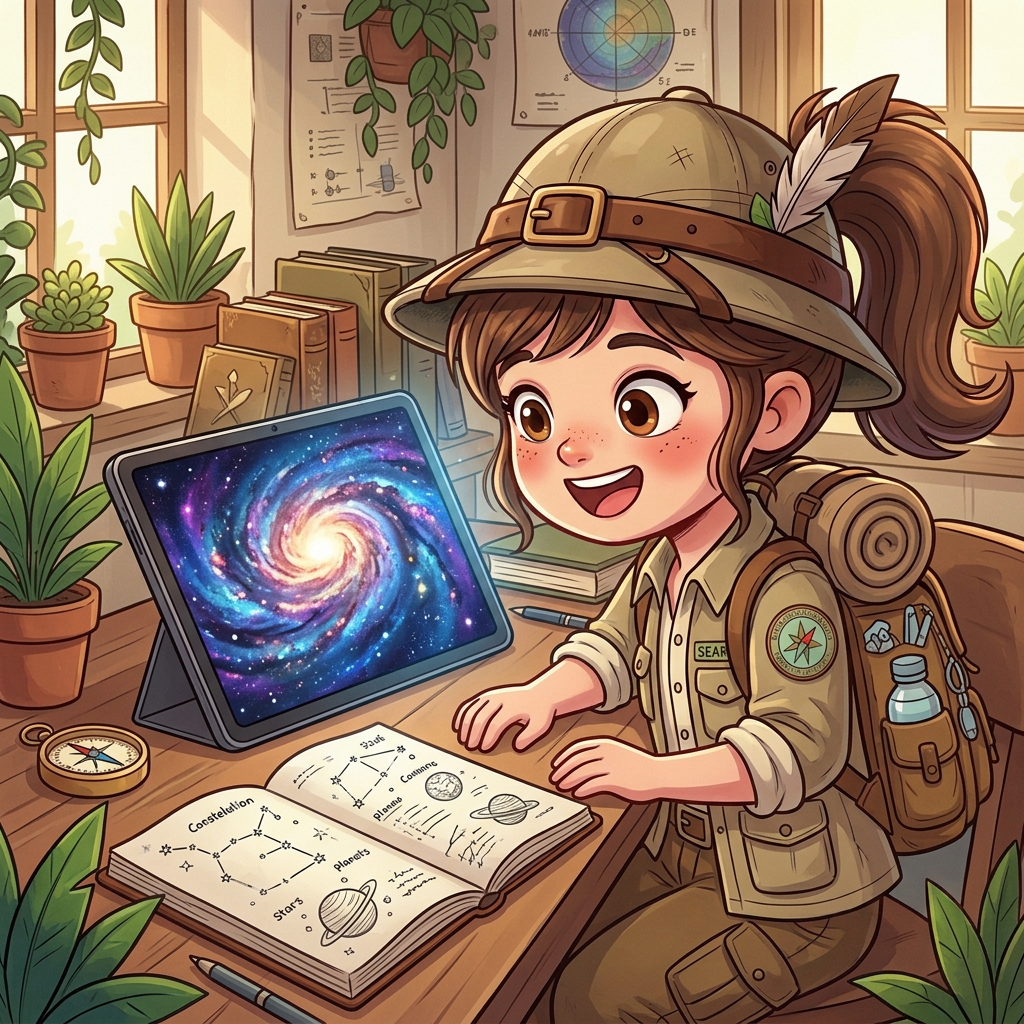
Short interactive activities pupils can complete on a Chromebook or at home. Spot the deepfake. Sort the kind messages. Build a stronger password. Children stay logged in to one safe account; no email needed.

One account, two views

Schools see a class dashboard. Parents see a family dashboard. The same child can be linked to both — so what's covered at school appears on the family screen, ready for that evening.

Common questions

Things schools ask before signing up.

Register interest

Tell us who you are.

Whether you're a school joining the curriculum or a parent ordering a Home Pack — five fields, two minutes. We'll come back within three school days.

  • No sales calls. Ever.
  • No mailing list unless you tick the box.
  • A real person reads every form.

By submitting, you agree we may contact you about Internet Explorers. We never share your details. Read the privacy notice.